
Featured Stories




Stay Up to Date
Catch up on industry trends, news, and featured product updates.

Elevate Your Holiday Menu with Festive Plating and Presentation
The holiday season is one of the most exciting times of the year for restaurants. Dining out becomes more than just a meal; it becomes part of a celebration. Families gather for annual traditions, coworkers enjoy holiday lunches and dinners, and friends come together to celebrate the season. Because of this, guests are looking for experiences that feel special and memorable from the moment they sit down at the table.
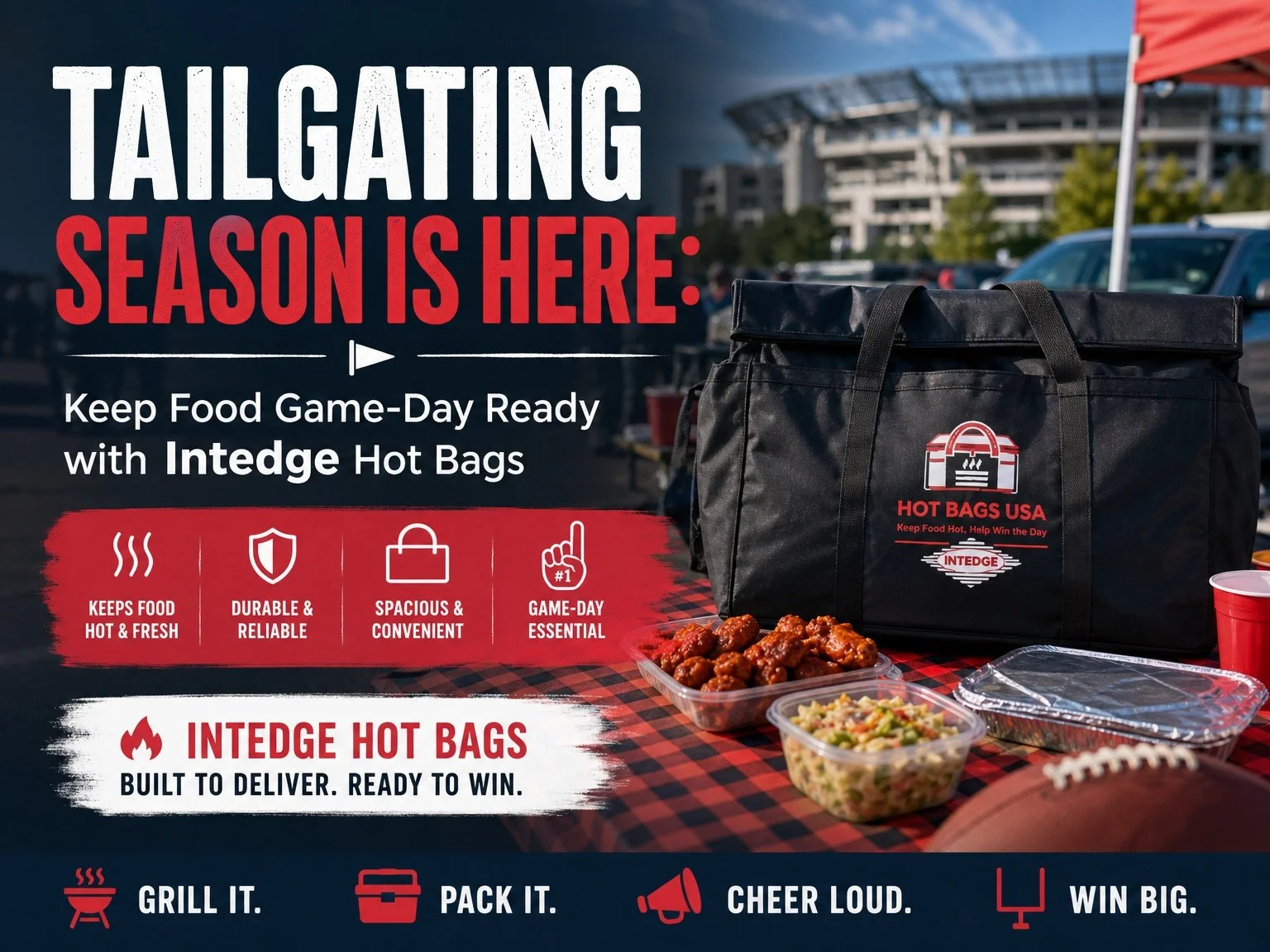
Tailgating Season Is Here: Keep Food Game-Day Ready with Intedge Hot Bags
Few traditions bring people together quite like tailgating season. Whether fans are gathering outside football stadiums, local sporting venues, or community events, great food remains at the center of the experience. From barbecue and wings to burgers, hot dogs, and game-day appetizers, keeping food fresh, hot, and ready to serve is essential for a successful tailgate.

The Best Commercial Refrigeration Solutions for High-Volume Restaurants in 2026
In a busy restaurant, refrigeration is more than just a place to store ingredients. It is the backbone of food safety, inventory management, and kitchen efficiency. Whether you're operating a bustling steakhouse, a fast-casual concept, a catering business, or a multi-unit restaurant chain, reliable refrigeration directly impacts your bottom line.

Top Commercial Kitchen Trends Heating Up Summer 2026
Commercial kitchens in summer 2026 are more connected and intelligent than ever before. Advanced appliances now communicate with each other and provide real-time insights into operations, from cooking performance to food safety monitoring. Smart ovens can automatically adjust cooking conditions based on what’s inside, while refrigeration systems continuously track temperature and send alerts if anything goes off track. This shift toward integrated technology allows operators to maintain consistency, reduce waste, and run more efficient kitchens under pressure.

Top 10 Catering Equipment Essentials for a Successful Event
Top 10 Catering Equipment Essentials for a Successful Event
Introduction: Why Equipment Matters in Catering
Great food may be the highlight of any event, but it’s only part of what makes a catering experience truly successful. Behind the scenes, professional-grade equipment ensures that every dish is prepared, transported, and presented perfectly. From maintaining safe temperatures to creating visually appealing displays, the right tools help caterers deliver a seamless and memorable event.

Commercial Ice Machines: Types, Sizes, and Best Uses (Hoshizaki, Manitowoc & Scotsman)
Ice machines are an essential component of nearly every foodservice operation, from bustling restaurants to mobile food trucks. Beyond simply producing ice, these machines directly impact beverage quality, food presentation, and overall customer satisfaction. Choosing the right commercial ice machine ensures efficiency, consistent output, and the ability to meet peak demand without interruption.

The Importance of Investing in Long-Lasting Smallwares
Although they’re often overshadowed by major kitchen appliances, smallwares play a critical role in daily operations. Items like plates, flatware, glassware, and serving pieces are in near-constant rotation and must endure repeated handling, exposure to heat and moisture, and rigorous commercial cleaning.

2025: A Year of Growth, Service, and Momentum for Innovative Foodservice Group
As the year comes to a close, everyone at Innovative Foodservice Group (IFG) is reflecting on a year filled with progress, partnership, and purpose. In 2025, we continued to build on our long history of serving the foodservice industry with excellence — living our mission of making it easier for restaurant owners, chefs, corporate buyers, and foodservice professionals to “Get Ahead of the Day.”

Why Clean Out Your Fridge Matters — Even in a Foodservice Setting
Why Clean Out Your Fridge Matters — Even in a Foodservice Setting
Expired, forgotten, or poorly stored food can lead to spoilage or cross-contamination. Regular clean-outs help reduce food-safety risks, keeping your inventory fresh and your team safe.
Discover how to improve food safety and efficiency in your kitchen.

🎃 Scary Kitchen Nightmares (and How the Right Equipment Prevents Them)
It’s spooky season — ghosts, goblins, and ghouls are out to play. But in a busy commercial kitchen, the real nightmares don’t come from haunted houses… they come from equipment breakdowns at the worst possible time.
From walk-ins that freeze over like an arctic tundra to fryers that mysteriously stop sizzling during dinner rush, these horror stories are all too real for restaurant owners. The good news? With the right commercial kitchen equipment and regular maintenance, you can keep the scares on the menu — not in your back room.

How to Choose the Right Surface & Materials for Heavy-Use Commercial Kitchens
When it comes to running a successful commercial kitchen, every decision counts. From the type of oven you use to the surfaces your team works on, the right materials can make the difference between smooth operations and constant headaches. In heavy-use environments—restaurants, hotels, catering facilities, schools, hospitals—the wrong surface choice can lead to wear, safety concerns, or costly replacements.
So, how do you choose the right surface and materials for your operation? Here are the key factors to consider.

Sustainable Practices in Commercial Kitchen Design
The foodservice industry has long been known for its high energy usage, water consumption, and waste production. In today’s world, sustainability isn’t just a trend, it’s an operational necessity. Implementing sustainable practices in commercial kitchen design can reduce costs, improve efficiency, and position your business as a responsible and forward-thinking operation.

Top 5 Smallwares Every College Cafeteria Needs This Semester
As students return to campus and cafeterias gear up for another busy semester, having the right smallwares in place is essential for keeping operations smooth, efficient, and safe. Whether it’s prepping hundreds of meals daily or managing a rush of students during lunch hour, smallwares are the unsung heroes that help college foodservice teams perform at their best.
Here are the top five smallwares every college cafeteria should have on hand this semester:

Why Every Commercial Kitchen Needs a Heavy-Duty Can Opener
When you think of essential commercial kitchen equipment, your mind probably jumps to fryers, ranges, or refrigeration. But there’s one humble tool that quietly powers through the daily grind — and without it, operations can come to a grinding halt: the heavy-duty can opener.
Whether you’re running a high-volume restaurant, a catering business, or a school cafeteria, a quality can opener isn’t just convenient — it’s critical. Here’s why every commercial kitchen should invest in a professional-grade can opener.

How to Choose the Right Commercial Fryer for Your Menu
From golden french fries to crispy chicken wings, a reliable commercial fryer is a cornerstone of many successful foodservice operations. But with so many models and features on the market, choosing the right fryer can be overwhelming—especially if you're trying to balance performance, efficiency, and cost.
Whether you're opening a new restaurant or upgrading your current kitchen, here's a practical guide to selecting the best commercial fryer for your specific menu and operation.

How to Choose the Right Equipment for Your Home or Commercial Kitchen: A Buyer’s Guide
Whether you're outfitting a bustling restaurant kitchen or upgrading your space at home, choosing the right kitchen equipment is one of the most important decisions you can make. The right tools not only improve efficiency and performance but also ensure safety, longevity, and satisfaction in the kitchen. But with so many options available, how do you know what’s right for you?
This guide walks you through the key factors to consider when buying kitchen equipment—whether you're a weekend warrior or a full-time food service pro.

How Restaurants Can Navigate Operations Amidst Tariffs
Running a restaurant is already a challenging endeavor, and when tariffs are introduced, they can significantly impact costs, supply chains, and overall profitability. However, with strategic planning and smart business practices, restaurants can continue to operate successfully despite these economic hurdles. Here are some key strategies to help your restaurant thrive in the face of tariffs.

Easy Financing Solutions to Empower Your Business
For today’s foodservice operators, staying on top requires up-to-date equipment that keeps pace with industry demands. From adding new locations to updating essential kitchen tools, many operations find that large equipment expenses can place a strain on cash flow. Equipment financing offers a smart solution, enabling operators to keep their capital working while still accessing the tools they need.

Essential Equipment Needed to Run a Restaurant in 2025
The restaurant industry continues to evolve, with technology and sustainability shaping its future. For aspiring restaurateurs and seasoned operators alike, having the right equipment is critical to efficiency, customer satisfaction, and profitability.

2025 Foodservice Industry Trends: Shaping the Future of Dining
As we step into 2025, the foodservice industry is navigating a rapidly changing landscape shaped by technological advancements, evolving consumer preferences, and global challenges. Here’s a look at the key trends that are set to redefine dining experiences and operational strategies in the coming year.